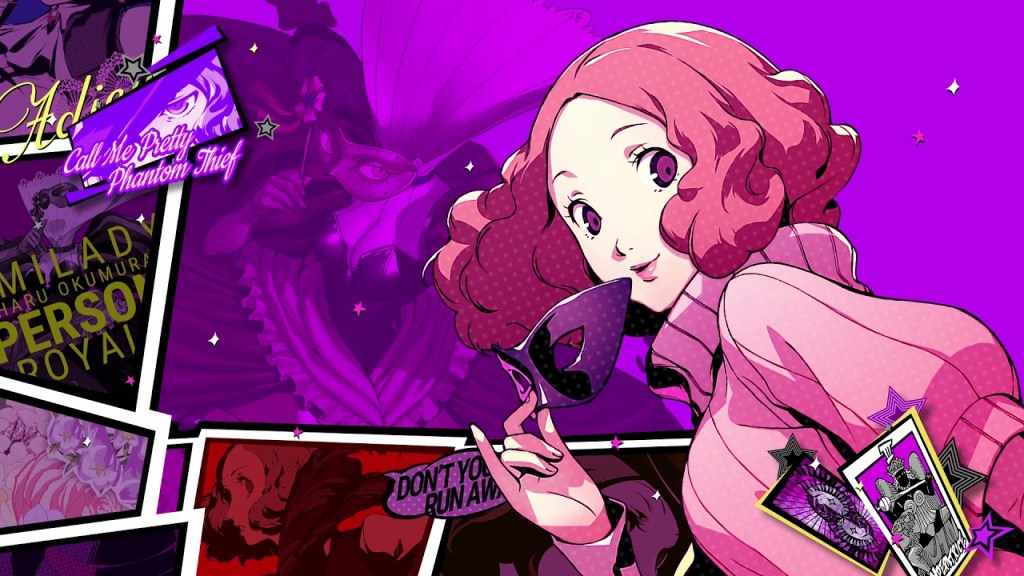
Something shocked me while I was in a therapy appointment last year. As someone who has had courses of therapy multiple times over my life, I was expecting this question at some point: “What do you enjoy doing?” I laughed dryly, knowing that what I was about to say was going to spread a frown over my therapist’s face: “I love playing video games, I love creative writing and I like watching films, anime and YouTube.”
The question I was expecting to follow up this statement was “Do you have any outdoor hobbies?”, as this is something I had been asked by all of my previous therapists. I did figure out that they don’t literally mean “outdoor”, but more along the lines of a social hobby, like playing a sport or attending a social club. They should really be more clear, especially as I’m an autistic person who takes language very literally. These previous therapists would encourage me into one of these “outdoor” hobbies, forgetting the fact I was agoraphobic at the time and even attending my mandatory classes was enough of a struggle. While I was preparing to politely nod and say to my most recent therapist that I’ll have to try one of these “outdoor” hobbies, she simply said: “What do you like about them?”
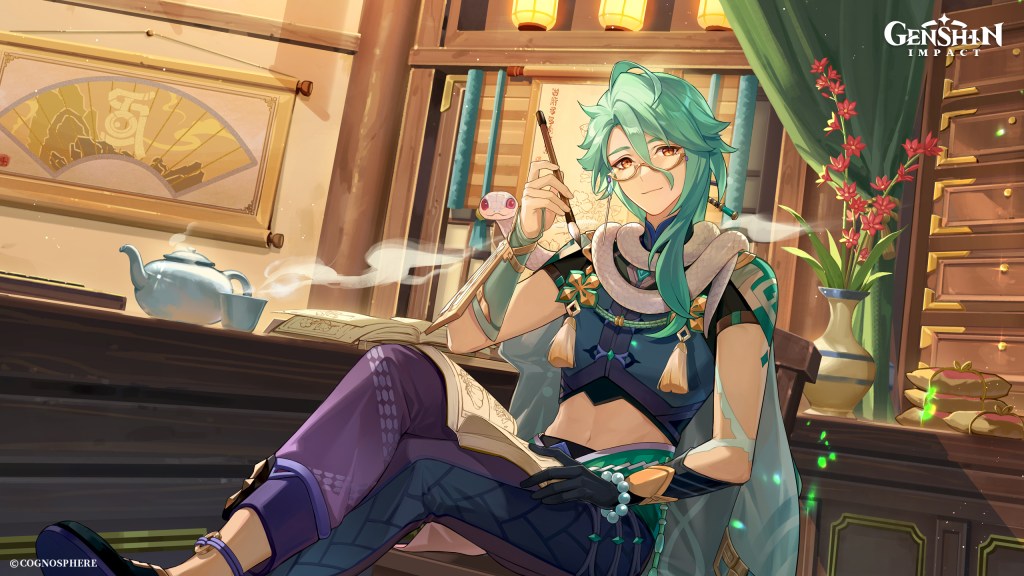
No therapist I had been with in the past had shown an interest in my hobbies; they mainly used what I said to drive home that I didn’t socialise with others. I explained that I particularly love playing video games, and have done since I was a kid. There were certain games that hooked me and made me happy when I played them. She smiled at this. “It’s great that it makes you happy! Do you play games often?”
At this time, I wasn’t playing games often. I had been too busy; the constant cycle of getting up early, going to work, coming home, being exhausted and messing around watching TikToks until it was time to go to bed and repeat.
“When I have time, I play them. I’ve been so busy lately.”
“If they make you happy, try and make time for them.”
I wasn’t expecting this kind of response. And I definitely wasn’t expecting her to set “playing video games in the evening” as a homework task that I would need to report back on in my next sessions. Nearly every session after that it would come up. “Have you been playing your video games?”
When I made time for video games, my mental health improved to the point where I could start doing things I never could have done before. I even got one of those social “outdoor” hobbies that my previous therapists were talking about, because I felt like I could do it!
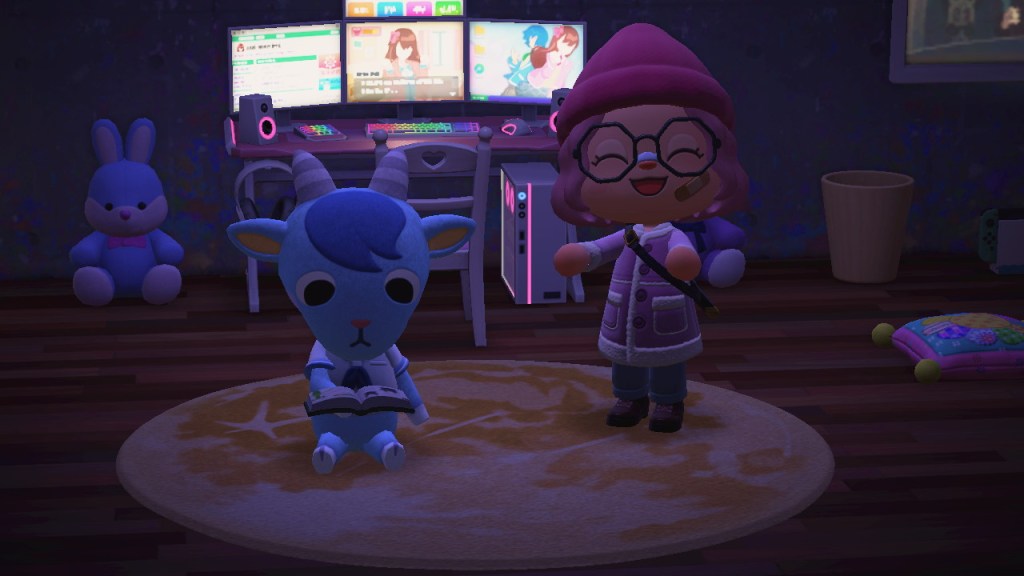
Of course, “making time for your hobbies improves your mental health” is not a ground-breaking statement. But it was very refreshing to have a therapist encourage a video game hobby, after playing video games has been demonised for a very long time.
It’s pretty common knowledge that video games were frowned upon in the past. Video games were violent, filled with sexual or demonic content and were a danger to youth, if you listened to mainstream media. This idea still lingers in the minds of some older people, which is why so many of my previous therapists were concerned about my hobby. I felt too embarrassed to tell them I enjoyed playing courtroom visual novels or classic fantasy RPGs. I wasn’t playing GTA. Not that there’s anything wrong with playing GTA either!
It always struck me as pretty hypocritical that therapists would tell me that I should engage with hobbies to increase my mental wellbeing, but would almost shame me for the hobbies I did have in the same breath. This wasn’t just one therapist either; this happened multiple times.
There’s still a pretty big lack of understanding about video games and the benefits for introverted and neurodivergent people. I love playing games with friends on days when I don’t have as much energy to physically socialise. I love escaping into different worlds for a little while and experiencing magic and engaging storylines. Who doesn’t?
I’d love for more medical professionals and therapists to acknowledge that some of us need that time to ourselves, time away from other people with “indoor” hobbies to really recharge and feel that we can socialise. Especially as an autistic person, socialising is exhausting and requires so much more effort from me than in neurotypical people. Some video games are even my special interest, which adds an extra layer of importance to spending time with them. I didn’t know I was autistic when I was in therapy, and of course I wasn’t going to stand up for myself against a medical professional. I’m just glad that my most recent therapist was open to my hobbies. I hope more therapists can follow suit!
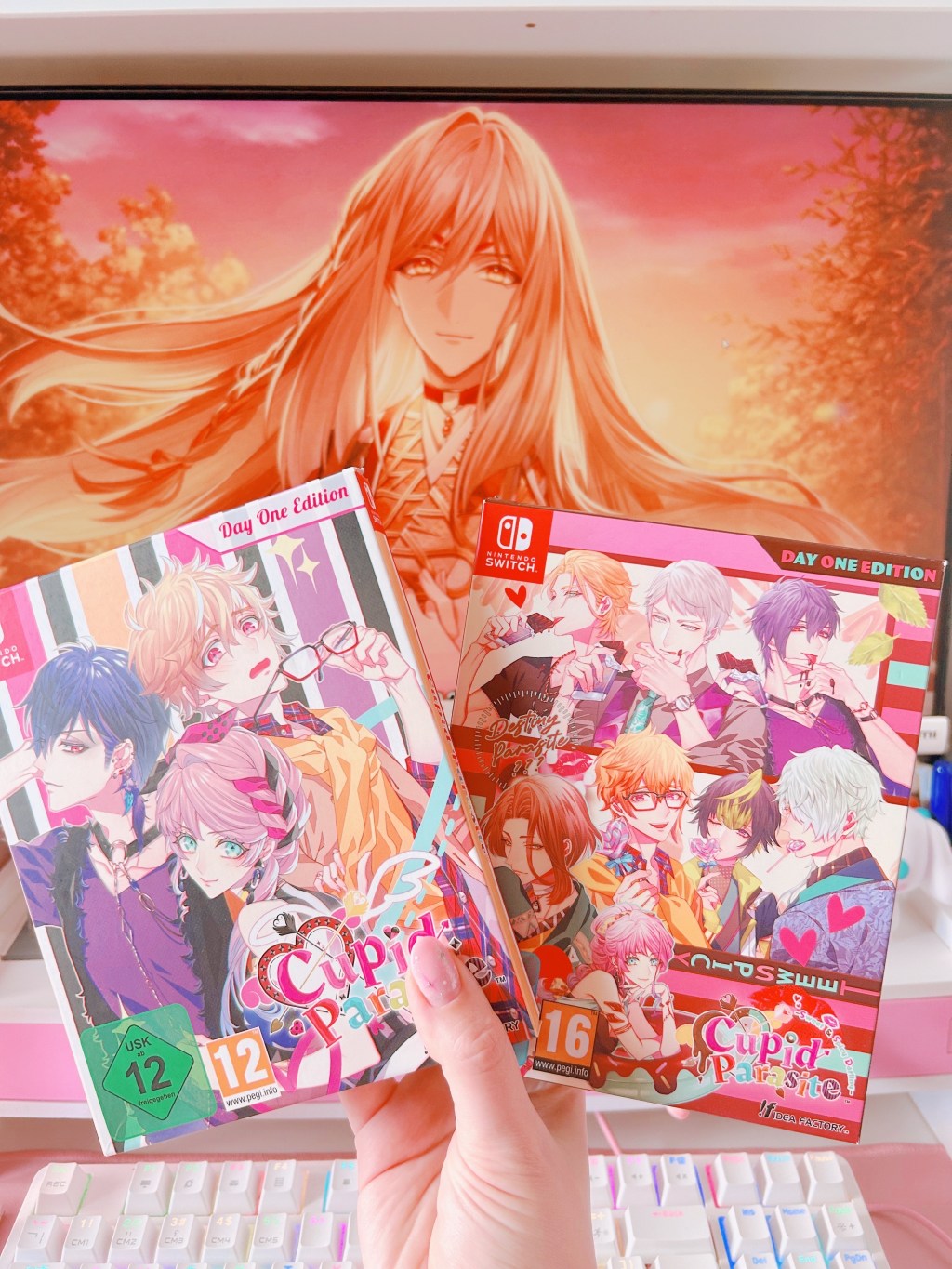

 SweetieGames
Leave a comment