Recently, the UK’s Online Safety Act, as well as Steam and Itch.Io delisting and removing games from their platforms, has sparked a large amount of discussion about the future of gaming as a medium. What constitutes protection of young people online, and what constitutes censorship and risk to all internet users?
Itch.Io and Steam delisting and deindexing a wide range of content came off the back of a campaign from Collective Shout, which rallied against adults only and problematic content being accessible online. Similarly, the UK’s Online Safety Act, something that other countries have expressed similar interest in, forces users to submit photos of themselves or their ID in order to access “adult” content. Depictions of any nudity and sexuality have always been demonised in the gaming sphere (you only have to look at the outrage that GTA’s “hot coffee” scene generated back in the early 2000s, and that wasn’t even accessible without modding the game) but its not only depictions of sex that are getting hit with removal and delisting.
Of course, problematic content depicting violence or abuse in a celebratory or idealistic way should not be available. The Collective Shout campaign came off the back of No Mercy, a game depicting abuse against women as unavoidable and a goal. However, games celebrating genuine problematic behaviour should be the only games affected by removal and delisting. Visa and MasterCard have deemed games containing any depiction of self harm, menstruation and content that contains “hate” as problematic, and has resulted in a wide range of games that depict these topics in a sensitive and non judgemental way to be wiped.
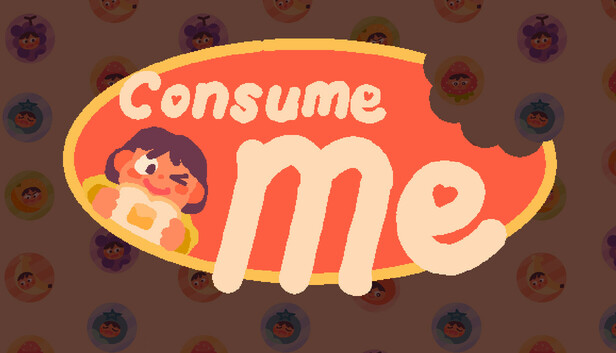
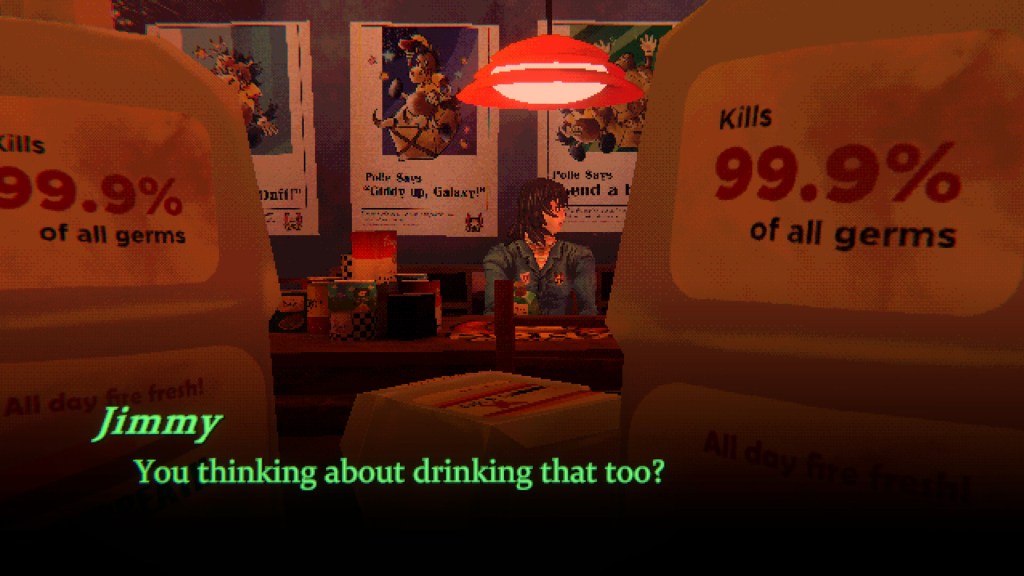
The hit horror game Mouthwashing was delisted from Itch.Io due to it discussing sexual assault, but given the genre and tone it was not depicting these topics in a positive light. It’s psychological and surreal horror that was advertised for an older audience. Consume Me is an upcoming game that has won multiple awards for its discussion of diet culture and body image issues and has also been delisted. Games having nuanced discussions about mental health and drug use are hidden from consumers under the guise of protection, but its actually censoring “difficult” topics that have allowed audiences to feel seen and heard for years.
Many people don’t realise that they need help for addiction, abuse or their mental health until they see the topic discussed in media. By hiding such content, discussion of sensitive topics in relatable, non judgemental ways is censored. In a world where we know that mental health needs to be openly discussed and destigmatised, these rules feel like a real step backwards. There are currently games being made that are trying to encourage mental health discussion; would these also be censored or removed?
There is also nervousness surrounding the vagueness of these guidelines. Content containing “hate” or “harm” aren’t allowed according to Mastercard or Visa in any capacity, which in the past have been the excuse given for censoring LGBTQIA content. If these rules are going to be put in place, not only does genuine discussion and depiction need to be allowed but also the “hate” and “harm” needs to be clarified to ensure there isn’t any demonisation of minority groups. Even games like Nintendogs and Death Stranding would not be allowed under these new rules as they have depictions of urination. Not in a sexualised way. In a normal way. When framed like this, you can really see how vague these rules are. There isn’t a line, and we are right to be concerned about that.
Everyone of age should be able to access nuanced, non judgemental games depicting sensitive topics. They shouldn’t be hidden, removed or censored; they depict the experiences that many people have gone through, and seeing that can help people feel less alone and allow them to talk about it or seek help if needed. Media has always been vital in changing our perception of real world issues, and hiding sensitive content from people who are of age is detrimental to the overall view of a huge range of stigmatised topics.

 SweetieGames
Leave a comment