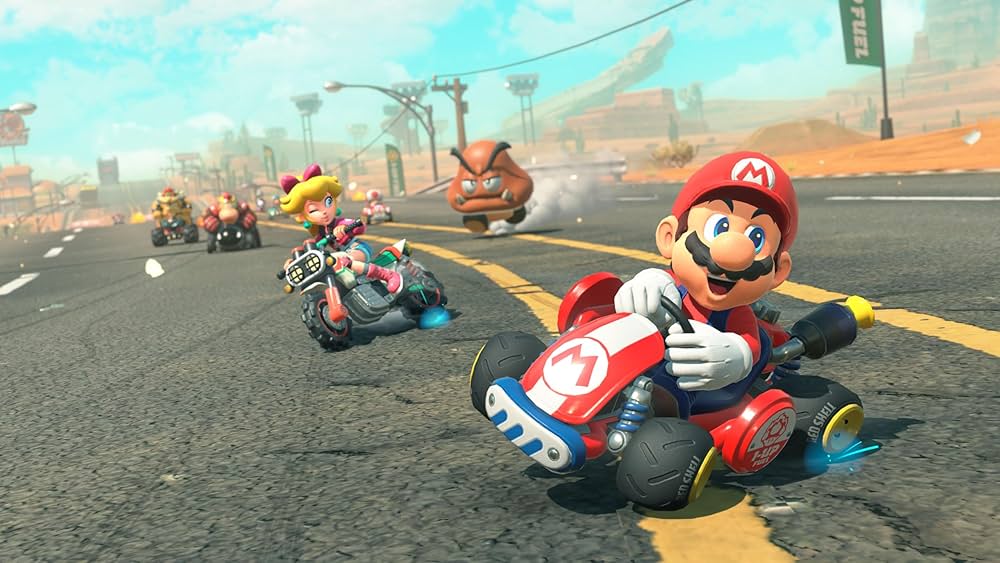
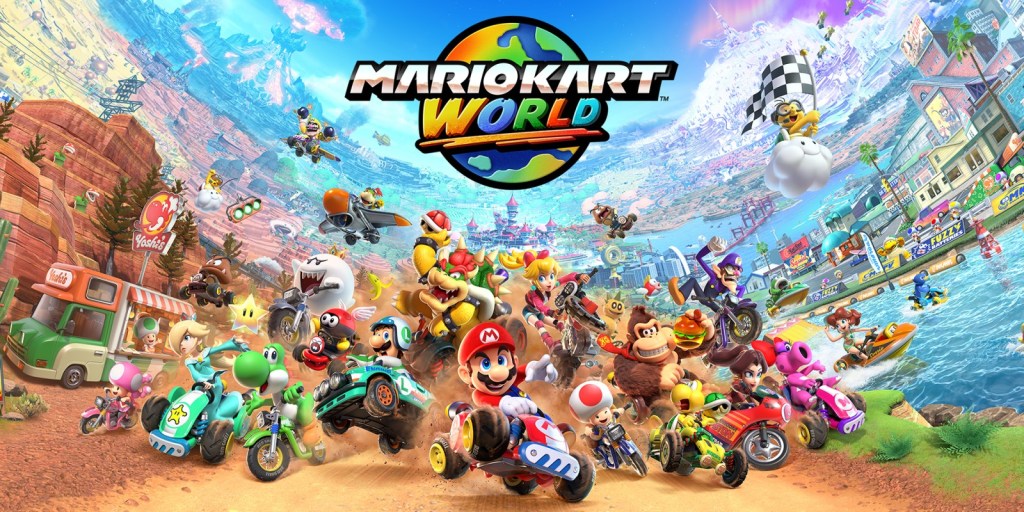
Growing up, games were always expensive. We had a small amount of games for each of our consoles, getting new ones only on special occasions. This seems to always be the case; new games from Nintendo’s flagship IPs will run you around £65-£70, even the kart racers and party games. In a time where everything is expensive, it’s no wonder that I’ve seen many people online pass on new titles as they’re not “worth” the cost. Games have always been on the more expensive side, but are they less accessible than ever?
In recent months, consoles such as the Xbox Series S and PlayStation 5 increased by £50 and £40 respectively, and the brand new Switch 2 costs nearly £400 for a system that has the power of previous generation consoles. This, in combination with £75 games, means that mainstream gaming is becoming less and less accessible; one game could cost the equivalent of a day’s work for some people.
The primary reason for this happening is that games take more manpower to make than ever before. Back in November last year, I was blown away when I started playing Baldur’s Gate 3; the intro literally felt like I was watching a film, and it cut seamlessly into gameplay with high calibre graphics. The credits of that game took over half an hour to get through. Each person has to be paid a good wage. There’s more work that goes into gaming than ever. Now that it’s very much a mainstream hobby, even marketing and publicity needs to be factored into the cost.
It’s not just fans who have felt that only more privileged people can access video games. The Into Games report revealed some interesting statistics relating to individuals from lower socio-economic backgrounds in the gaming industry; it found that 59% of respondents had been “othered” at some point in their career, likely due to their class background. The research also suggested that only 13% of people working in the games industry come from lower socio-economic backgrounds. With a lack of opportunities available for skilled people from lower socio-economic backgrounds, the industry is missing out on valuable insights and talent.
With mainstream games becoming more expensive, myself and many others have ended up turning to indie titles or using already available tech to play games. Console exclusives are rare these days outside of Nintendo, meaning PC gaming is very popular; many people already own a laptop or PC for work or everyday needs, and can now play games on them too. Despite owning a Switch since 2020, I don’t have a single Mario title on there; I only have a couple of Nintendo games and the rest are from others who have made their games cheaper over the years. I’ve also found that going back to older classics is a great way to stay involved in the gaming community without breaking the bank.
Non profit organisations like Into Games are working hard to champion underrepresented voices in the gaming industry. Their programme includes outreach in schools, government funded training and highly desirable paid internships. According to the group, over 100 game companies have agreed to take on individuals from lower socio-economic backgrounds.
With games having higher production values than ever before, it makes sense that they would cost more. A large volume of staff need to be paid decent wages for their great work! I think we will see a shift in how we play and buy games; only purchasing the games we’re really interested in rather than just because it’s popular. And times like these give smaller indie projects a real chance to shine! I hope that there can be wider representation for lower class backgrounds in the industry and audience alike.


 SweetieGames
Leave a comment