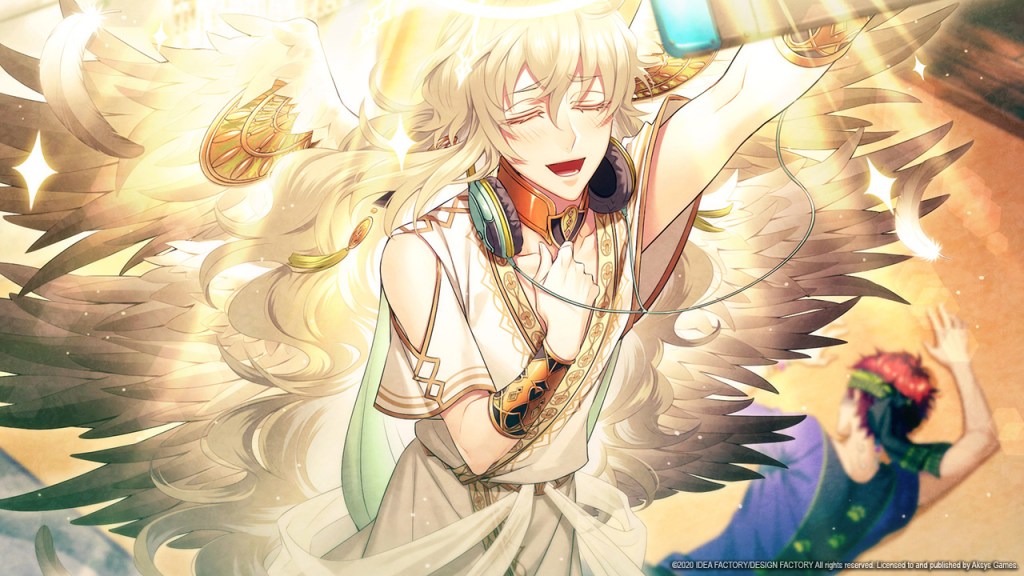
For the past four years running, a game that has been my Christmas tradition to play has been a particular visual novel: Code: Realize~ Wintertide Miracles. The third game in the Code: Realize series, Wintertide Miracles follows the protagonist Cardia as she is growing closer to her family, going on new adventures and finding love during the Christmas season in Victorian steampunk London. I’ve played this game many times now, and each times fills me with the same warmth that it did when I first picked it up in 2019. I adore the cast, the stories are fun and wholesome, and it is a game from my favourite genre which is made for girls: Otome games.

Otome, meaning “maiden” in Japanese, are a genre of games that are typically visual novels, which tell the story of a female protagonist. She may be in high school, she may have an office job, she may be a detective or a goddess, and she will have a distinct goal. The end goal for the player, alongside accomplishing whatever the heroine has set out to do, is also to find love with one of the love interests which are introduced at the beginning of the game. Featuring gorgeous artwork, you can think of Otome games as the video game counterpart of shoujo anime, but now you get to make the choices for the heroine and you have an influence on the ending, as well as who she ends up with.
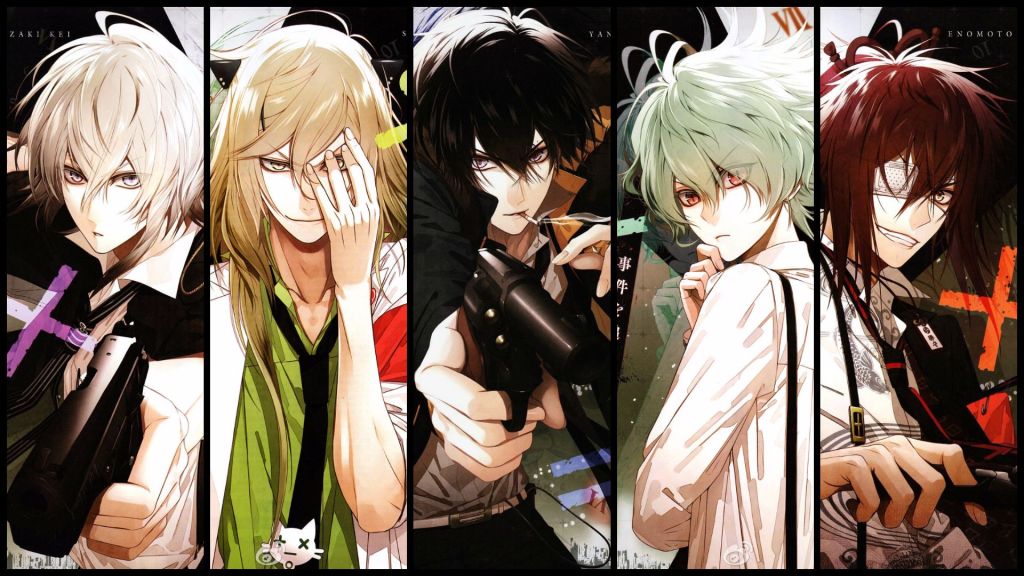
The first ever Otome game, Angelique, was made for the Super Famicom in 1994 by Ruby Party, an all-female development team at Koei. Originally made for pre-teen and young teen girls in Japan, the game gained unexpected popularity with a far wider audience of women, and the Otome genre was born. Angelique has even had games released as recently as 2021, demonstrating that the trailblazer of the Otome genre is still going strong today.
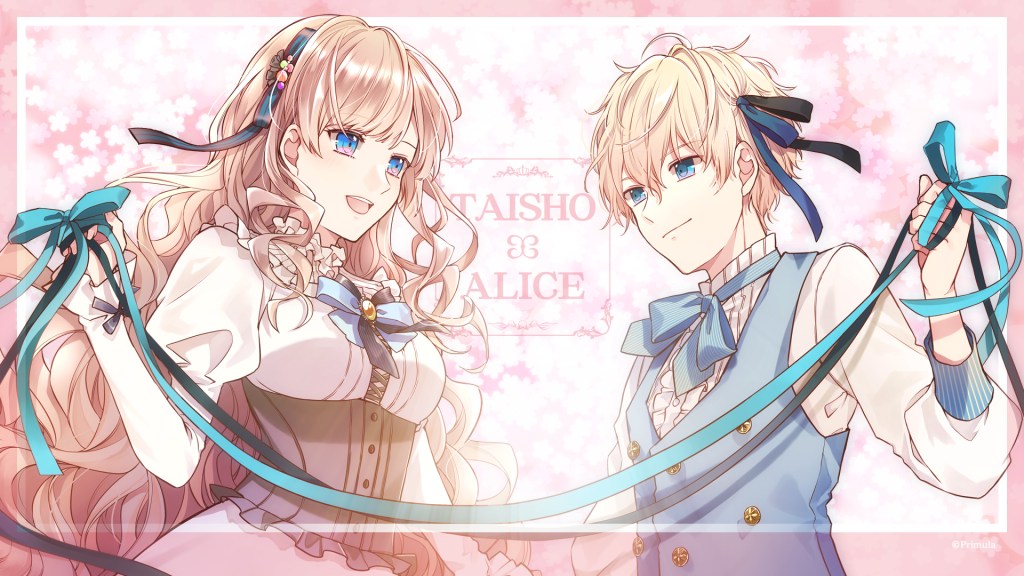
I have been a fan of Otome games since I was 14 years old; I used to have a gigantic collection of free Otome games downloaded to my smartphone. So many, in fact, that they ended up actually breaking my phone. It turns out that if you have a cheap smartphone with your regular games like Doodle Jump and Angry Birds and also your massive library of free visual novels, it buckles under the pressure and never turns on again. In these Otome games, I went from being the secret girlfriend of a Japanese idol, to a wizard’s apprentice, to a vigilante ninja, to a regular girl who is surrounded by male versions of fairy tale characters; the list goes on. Once I started working and bought myself some games consoles, my Otome experience upgraded with far better-quality Otome games where I didn’t have to pay money to read more than 4 sections a day. These included the previously mentioned Code: Realize, Café Enchante, Cupid Parasite, Amnesia Memories, and many, many more. Most recently, I’ve been surrounding myself with more male fairytale characters in Taisho x Alice, which has entertained me as much as it’s made me emotional.
What has always drawn me to Otome games in particular is that they are stories about women, for women. It shocks me that most of the time they aren’t brought up in discussions about games for women, seeing as they always have been and will always be games primarily for girls. They have seen more popularity in recent years; Mystic Messenger exploded onto the mobile gaming scene back in 2016, bringing Otome gaming to a far wider audience than it had ever been exposed to in the past. Mystic Messenger’s combination of virtual chat rooms, phone calls and visual novel sections which happened in real time did a fantastic job of keeping fans hooked on the game and encouraged fans to seek out Otome games elsewhere. More recently, localisation companies such as Aksys and Idea Factory International have been bringing Japanese Otome releases to the west on consoles at a rapid rate, to the point where longtime fans such as myself can’t even keep up anymore; it’s an expensive hobby!
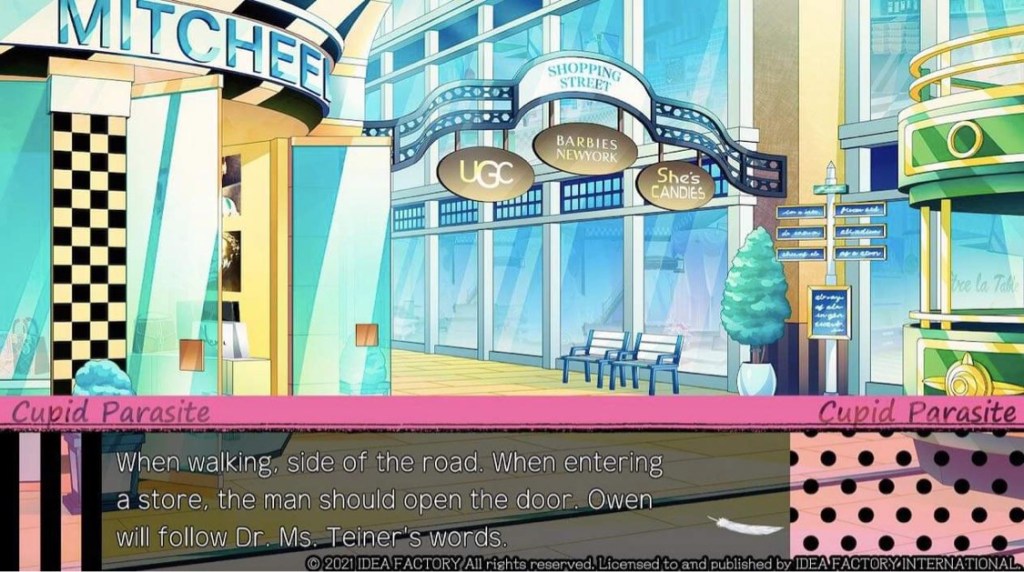
These rapid releases come at a price. There can be a distinct lack of attention to detail, as localisations of games have been known to be riddled with typos, translation errors, formatting errors and glitches. Frustratingly, localisation teams don’t pay close enough attention to these games, which are then released at full price. As there aren’t many localisation teams working on Otome game content, it leaves fans stranded: they must either purchase a full price game which is full of errors, or not purchase them and risk developers abandoning Otome games as not enough people are showing interest. It’s understandable if a couple of mistakes are still hanging around in the game on release; the translators have to read a lot of text, but there have definitely been some unforgiveable mistakes in the past (some of which are still hanging around in the games to this day!)
Otome fans have been diligent in demanding higher quality content from localisation teams and developers, leading to a decreasing amount of these glitches and errors in more recent games. Developers and localisation teams have been pretty good at responding to fan concerns. They know they are dealing with a highly passionate group of people.
Another issue which has recently arisen due to Otome games being advertised before a wider audience is that (mostly) men ridicule them. Who would wanna play these games about girls? These fictional pretty boy love interests aren’t going to be interesting to men, so why should anyone care about them? The male attitude towards Otome game announcements, whether that be at real life conventions, in livestreams or just in replies to posts online, echoes the attitude that covers the video game sphere; that women are not welcome here. If men don’t like these games, they shouldn’t be made.
…And because that attitude is still going strong to this day, I would highly encourage you to pick up an Otome game, whether that be a free one on your mobile, or an arguably much higher quality one on consoles or Steam. If you like stories that might make you laugh one minute and cry the next, featuring colourful casts of very pretty characters, and the entire story is centred around (often badass) women, and if you’re willing to look past some rather interesting or entertaining typos at times, give an Otome game a try. Lately, some Otome games have branched out into giving players female or non-binary love interests, which is always great to see. Otome games also cover multiple genres, from dark detective dramas to fluffy slice-of-life fun, meaning there’s definitely going to be something you’ll enjoy.
If you’re looking for something a bit different to keep you entertained, I can’t recommend Otome games enough!



 SweetieGames
Leave a reply to It’s Time to Talk about Inclusion in Otome Games – SweetieGames Cancel reply