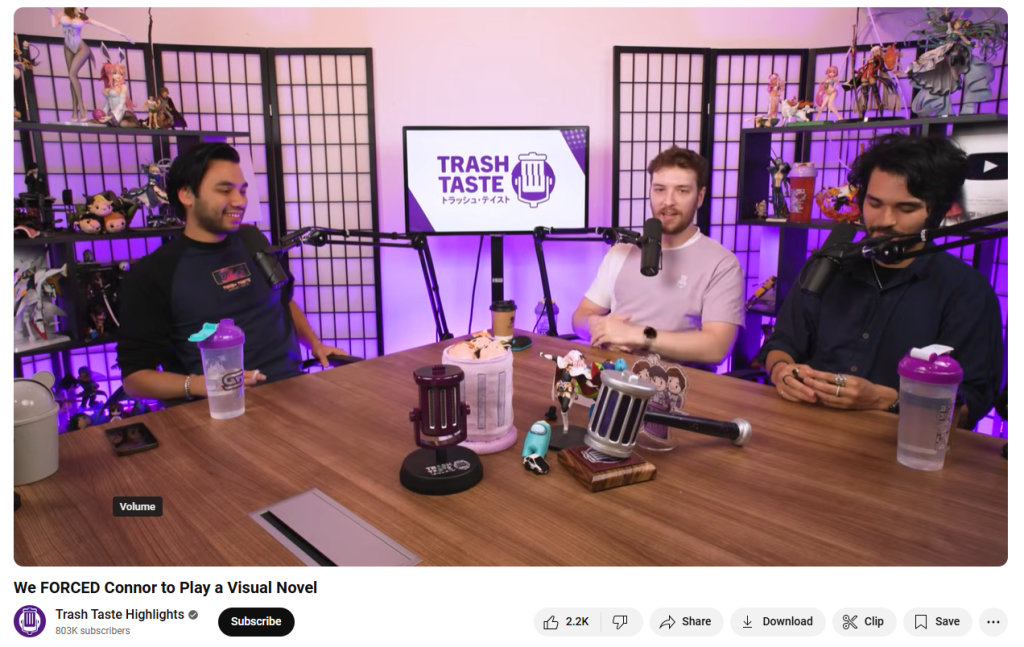
A few months back, a segment on the popular anime and gaming podcast Trash Taste sparked a discussion that has been stuck in my mind ever since. After talking about the infamous horror eroge visual novel Saya no Uta, the hosts discussed the overall visual novel genre. Something that stood out to me was the consensus of “why play visual novels if they have boring gameplay? Why not read a book?”
The comments after the episode aired followed a similar sentiment. Many people don’t even consider visual novels to be games at all, with some insulting the genre as “picture books for man-children”.
This discussion is nothing new. VNs have been subject to mockery for almost as long as they’ve existed, with people making jokes about their seemingly lacklustre gameplay and the stereotypes around people who play them. In the early 2000s, a large portion of VNs were eroge and/or dating sims, adding to the notion that a lot of the games were similar, boring and teetering on the edge of what constitutes as a video game.
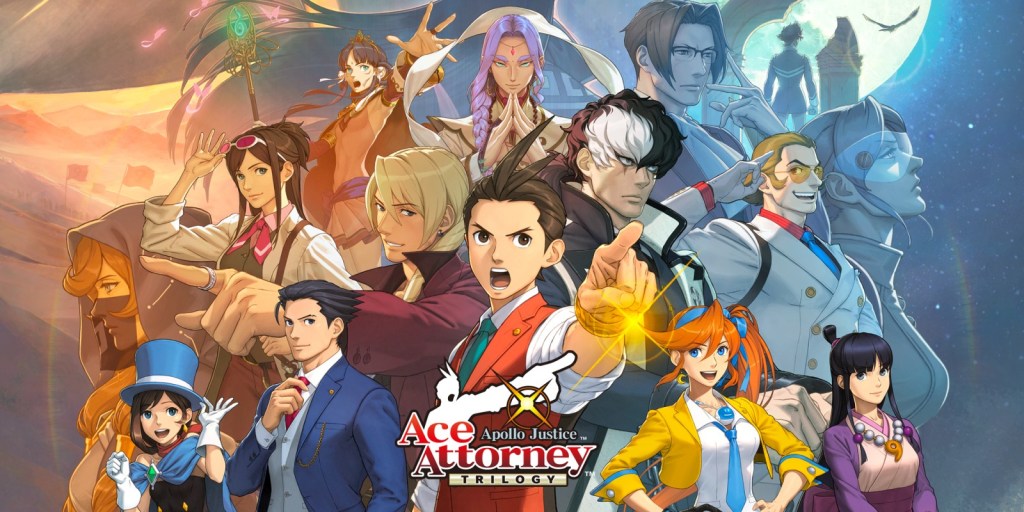
I’ve always disagreed with this sentiment. Visual novels blend together what we love about books and video games, allowing players to solve mysteries, make choices and influence the ending of a compelling story. Just look at Ace Attorney; an iconic series of VN games which place the player in the centre of larger-than-life courtroom drama, where you not only match up correct evidence to make your case and solve crimes, but also interact with a huge range of memorable characters and learn as much as you can about what makes them tick. Choosing who you speak to, what locations you want to visit, what evidence you want to present or investigate further or what statements from witnesses you’d like to get more information from can’t be replicated as strongly in any other medium if you want to feel like you are making contributions to the story.
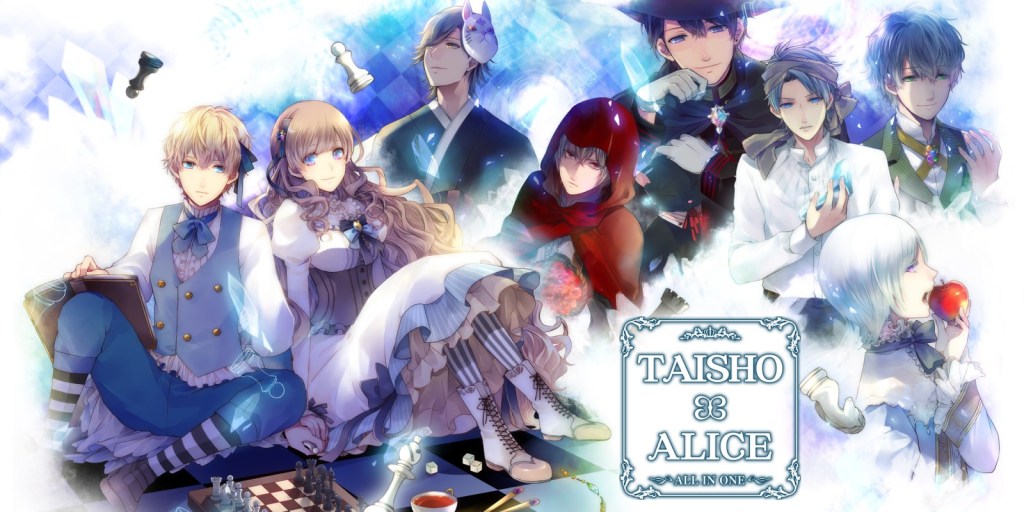
The way most people discredit VNs is that they don’t feature strong gameplay because all you do is press Enter/Spacebar/A/X depending on what you’re playing on over and over, and occasionally are invited to make a choice. People find them slow or too much to read, and think that choices that actually influence endings are towards the end of the game. For a start, if you don’t want to read a lot, maybe don’t pick up a game in the visual novel genre! And while some games do follow the formula of important choices at the very end, there are plenty of visual novels which listen to choices the player made hours earlier to influence the ending they receive. A while back, I played Taisho x Alice, an otome VN which expects players to navigate a minefield of bad endings through the plethora of choices they make with certain characters (looking at you, Kaguya!) The game even hides another route within the choices you make, expecting you to complete the same bad ending 6 times in a row before its unlocked. The dialogue differs each time, making it an intriguing experience to play.
For me, the amount of buttons I press doesn’t constitute what makes a game or not. Nobody has ever talked excitedly about the controls for a VN that only requires you to read the story and make choices, but the real gameplay comes in the form of solving puzzles and making the right choices for the character you’re playing as. VNs provide players with amazing artwork and music, strong character designs and gripping stories which you can digest at your own pace and theorise about as the plot unfolds. Yes, you can read a book if you’d like, but a VN provides a fantastic alternative for those who want to fully immerse themselves in a good story.


 SweetieGames
Leave a reply to I’m Bad at Games; So What? – SweetieGames Cancel reply