It’s no secret that AAA games give us the most realistic graphics possible for the time they’re made. They have huge budgets, take years to complete and now you can see every detail in a recent AAA game, from a blade of grass to the pores on a character’s face. But what makes a game’s look memorable? Do you remember seeing every hair, every leaf? Maybe the first time you see it in a game, but it becomes standard after that. It’s not the most realistic games that stick with us, but those that are the most aesthetically pleasing. Indies do a fantastic job of achieving this.
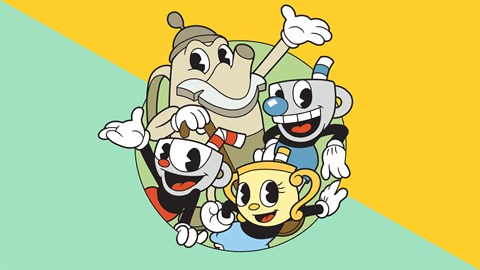
You can find a plethora of different aesthetics in indie games. From 90s anime to papercraft, 40s cartoons to cell shading, the vast difference between every game’s aesthetic creates a memorable experience for the player. Who doesn’t love a visually pleasing experience? When combined with music matching the visual aesthetic, indies create lasting experiences that can take a player back in time, show them something new or just create a fun experience.
Most AAA games feature realistic graphics which immerse you in the world; making it look like the world around you in real life. But indie games, which have covered a huge range of aesthetics, can make a different kind of impact on the player. Wrong Organ’s Mouthwashing became huge last year; praised heavily for not only its narrative but also its distinct early PlayStation aesthetic. The combination of graphics from the past with a story set in a future we haven’t even seen yet made it very intriguing.
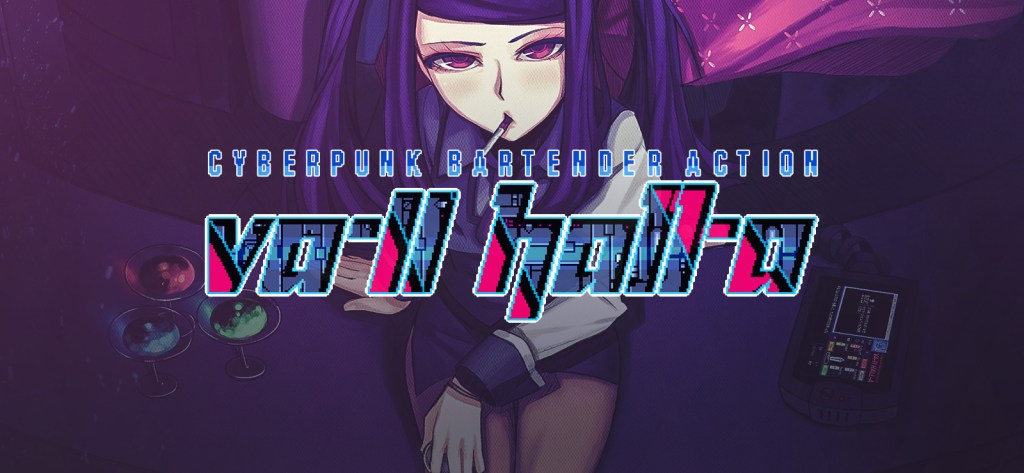
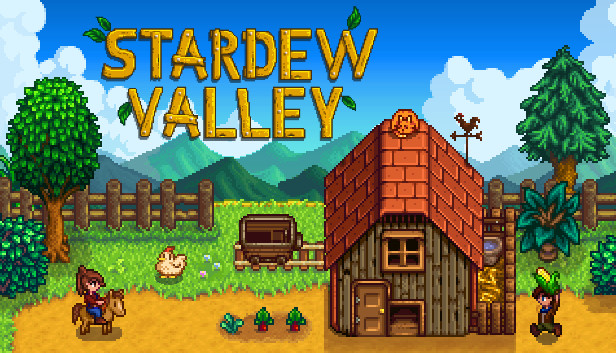
A lot of indie games gravitate towards a pixel art style, which is charming in its own right and requires a great deal of talent to pull off well, despite appearing “simpler” than other art styles. Pixel art can differentiate in its own way; Stardew Valley has bright, sharp colours to match with the outdoor lifestyle of your character, whereas Va11 Hall-A‘s purple, dark blue and black colour palette matches the dark bar setting perfectly. Despite both using pixel styles, the games look massively different.
What makes indie games particularly impressive is that they look and feel beautiful, and you know they’ve been made by a small, passionate team on a much lower budget. Pouring loads of money into a game won’t guarantee it’s longevity in a player’s memory, especially when it looks the same as all the other games out there. Of course, there’s more to making a game memorable than just its look, but nobody can deny that aesthetics are an important and memorable aspect of any gaming experience. You’ll never forget a game that has stunning artwork or gorgeous music.
I would love for more games to experiment with a unique visual or sound style. I’m not the only one; there’s been plenty of love for new and upcoming indies with gorgeous aesthetics for a while now. Most recently I’ve seen people gushing over Fields of Mistria, a game I can’t wait to play. A unique feel really gives players something to chew over; adding an extra layer to the overall play experience that often goes unnoticed. I want a game to take me back to another time, show me a different culture, give me something to really think about. This can all be done in a unique aesthetic.


 SweetieGames
Leave a comment