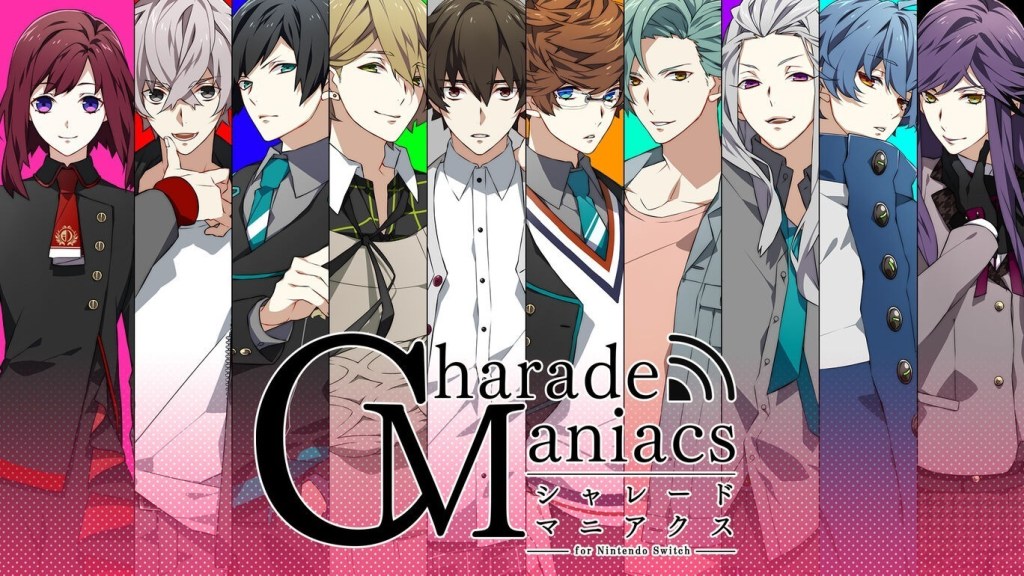
A statement by Japanese game brand LocaGames caused a stir this last week in the otome community. Their statement, in response to community discourse that has been circulating for a very long time at this point, urged readers to acknowledge that games that do not feature a female protagonist, or feature a “majority” of non-male love interests, should not be classed as an otome game.
The statement came as no surprise to otome game fans. The genre, especially in Japan, has a rich history and has always prided itself on telling women’s stories. Otome games were founded by women, primarily for women. In recent years, especially in the west, many people have made claims that the otome genre is not inclusive, and that games should contain MCs of different genders with a wider range of gender identities and sexualities in their love interest casts. As clashing opinions flooded the quote retweets and replies to LocaGames’s statement, what was once a quiet community quickly became fierce.
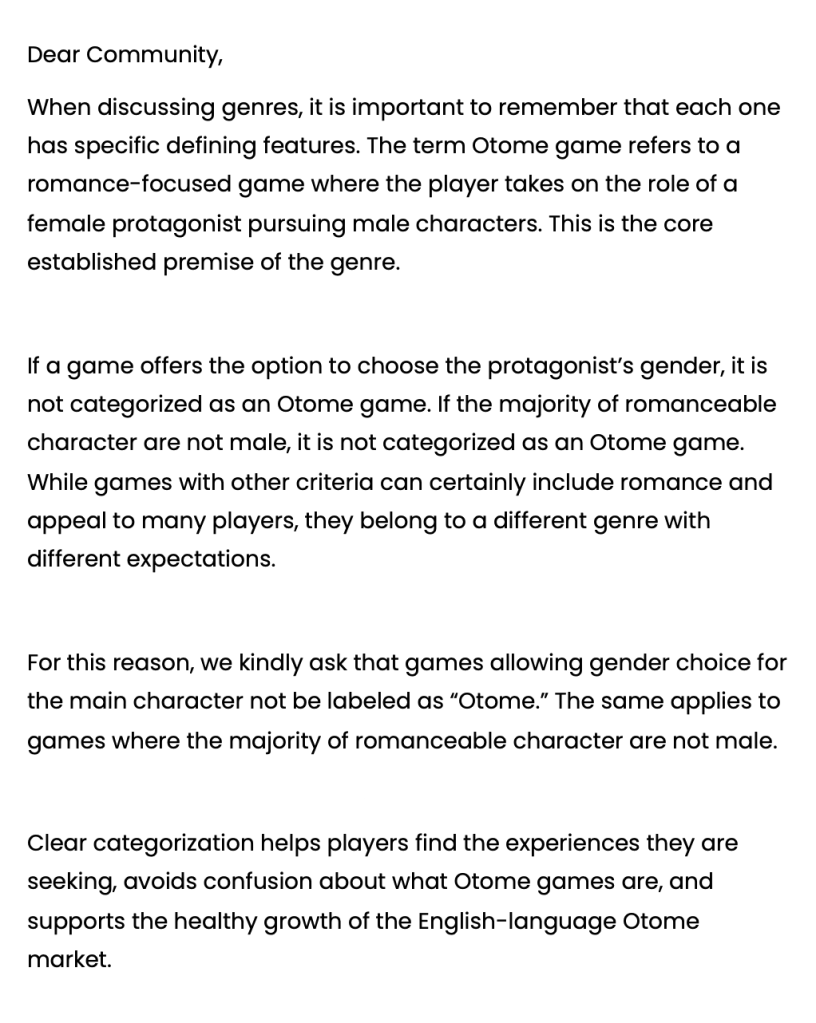
I was disappointed to see the sheer volume of blatant homophobia and transphobia in the replies to this statement. Unfortunately, I was expecting it after such a statement, but it didn’t make it any less difficult to see. The statement was never meant to be attacking games that include LGBTQ+ content; it was purely asking people to consider the terminology they use to describe such content in order to keep genres distinctive and allow for fans to understand the type of experience they will have when playing a game.
I personally believe that having a female main character is imperative for an otome game. Otome literally means “maiden” in Japanese. These games were designed to tell women’s stories, something rarely seen in the male-dominated gaming market when otome games were originally made. Female protagonists are still underrepresented in games today, despite the progress we’ve made. The female perspective is why I love to play otome games so much, and having a female protagonist shouldn’t stop people of all identities from trying them. Of course, I love to see games that have different genders for MCs; many people have turned to using the newer “amare” label to describe games that feature a choice of gender for your MC.
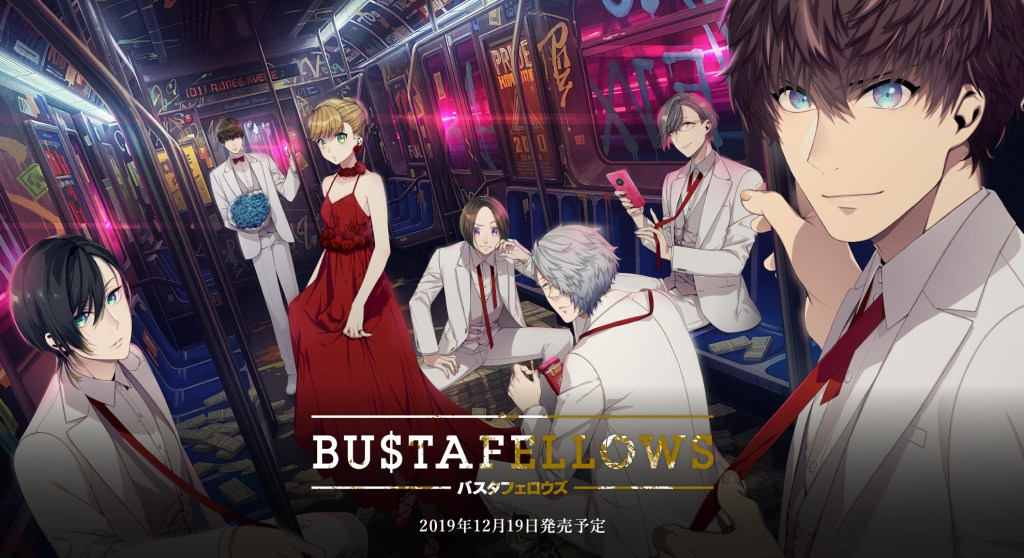
However, I would love to see a wider range of love interests in my otome games. Even the LocaGames statement specified that the “majority” of otome game LIs should be male, but that doesn’t mean we can’t have some different genders to mix things up a bit! We’re already starting to see this a little bit; Charade Maniacs features a non-binary love interest who uses they/them pronouns only. Having more of a variety in love interests not only helps people feel included but also grants an opportunity to tell different stories within a game. As someone who has played close to 200 otome titles at this point, I want something new!
Sometimes, I miss the quieter days of otome fandom, back when they were lesser known. Of course, the majority of the time I love the fact that they have more fans and are more widely acknowledged! But it’s very clear to me that a lot of fans are not ready to have a nuanced discussion about the genre and what it entails. These games are made to tell female stories, and there are plenty of other genres that feature MCs of varying gender identities. However, we should still be open and accepting of the range of female stories that can be told through the lens of otome.

 SweetieGames
Leave a comment