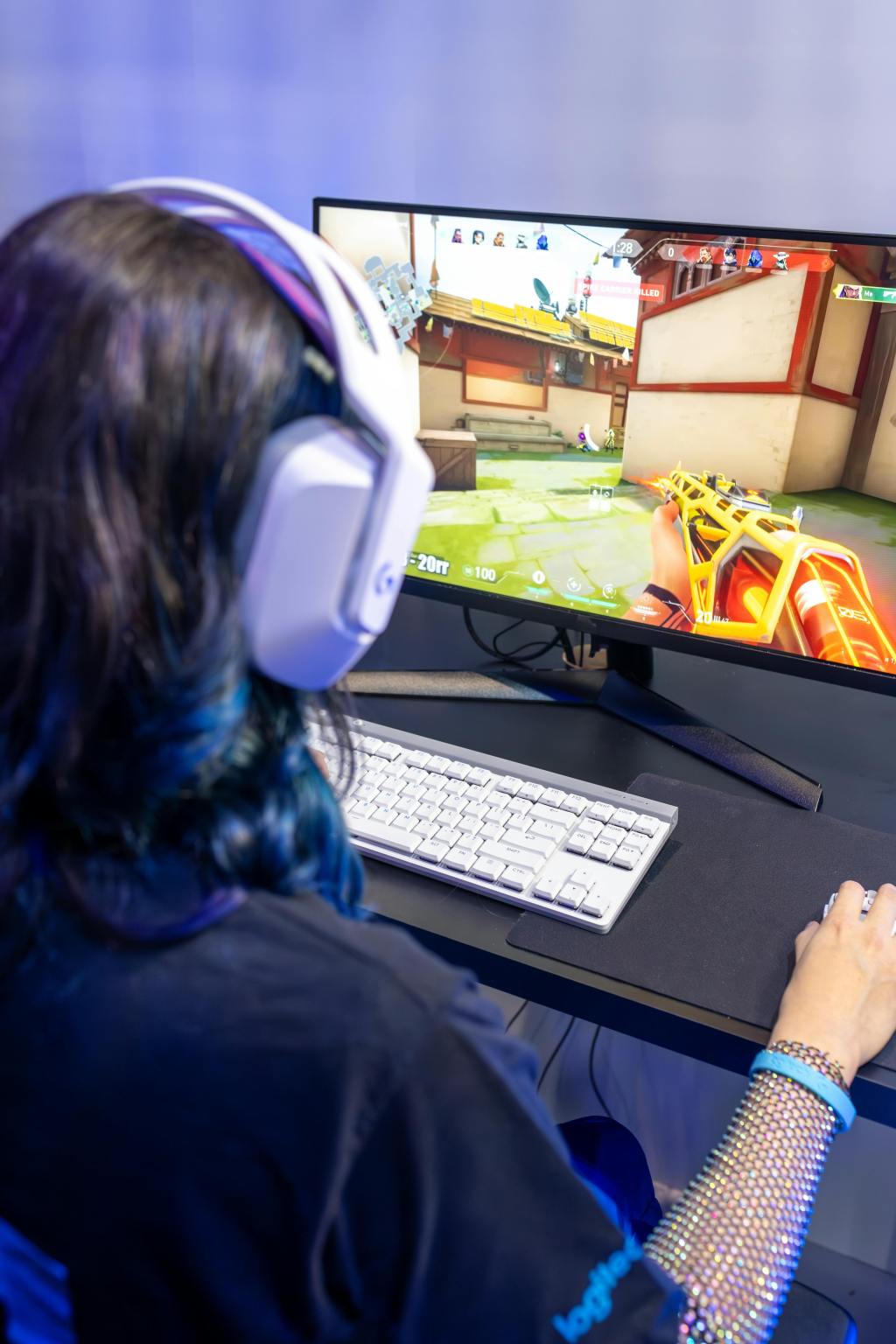
Photo by Matheus Bertelli
Back in 2024, the overall outlook on AI from the video game industry was positive. According to the GDC’s State of the Game Industry Report, 21% of game devs felt that generative AI was having a positive effect on the industry, in comparison to 18% of people feeling it was negative. In 2025, the attitude has very much shifted; according to the 2025 repot, 30% feel it’s having a negative effect while only 13% believe it’s making a positive difference. With layoffs becoming the norm in game studios, it doesn’t surprise me that the attitudes have shifted.
Us creatives truly live in difficult and scary times. One in 10 people in the games industry had been laid off according to the 2025 State of the Game Industry report, with the highest percentage of those workers being narrative writers and 16% coming from visual arts teams. Many people have been laid off due to declining revenue or restructuring teams to make them as profitable as possible; it is a real worry that generative AI could be used in order to cut costs and reduce the number of human staff on a team, especially as we live in times where production costs for games are rising exponentially.
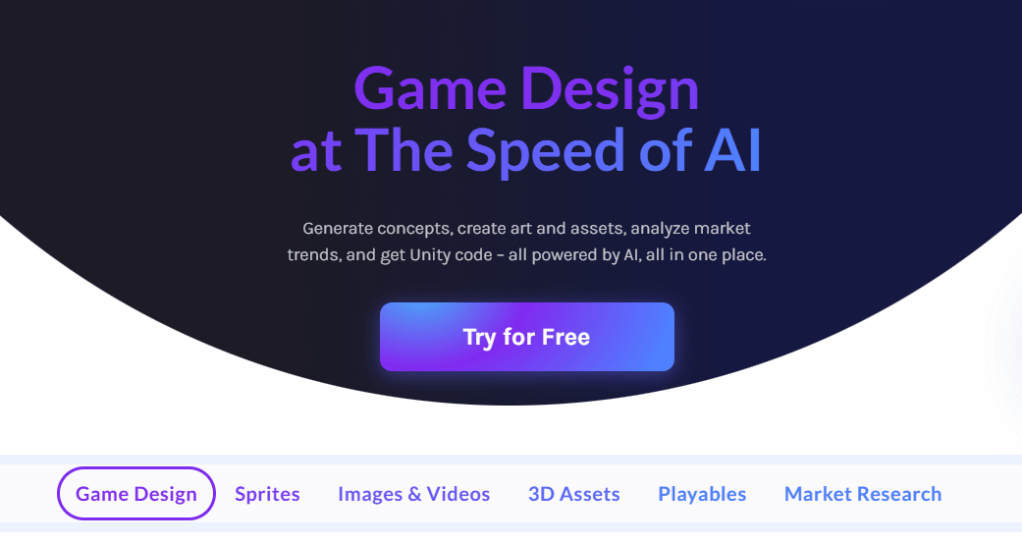
As game devs are feeling more negatively towards AI usage, it seems many people are avoiding it as much as possible. Previously on this blog, I wrote about generative AI art seeping into one of my favourite genres, and how AI should not be taking creative jobs. It was refreshing to see that many game studios felt a similar way; 27% of developers had no interest in using generative AI tools in any part of the development process.
However, despite nearly 30% of games industry professionals not using AI in their development processes, the majority still use them. 35% of studios allow employees to use AI optionally, and 36% of developers do use generative AI tools. Statistics like these demonstrate that no matter what, we can’t go back to the past when this technology didn’t exist. AI is here, if we like it or not, and it’s impossible to get rid of now that it is easily accessible. What matters now is how we can protect jobs, livelihoods and human creativity while this technology continues to emerge; it should be reserved for jobs that are hugely time consuming or impossible for humans to do, and has no place in creative spaces or areas where human input is vital. Stories and artwork created with AI do not contain the soul, feeling or meaning that humans can create, and this cannot be replaced no matter how advanced this technology becomes.
This technology is developing quickly, and while many companies across gaming and beyond are starting to introduce AI policies into their work, there is still a lot to be done to make sure this tech is not used to excuse job loss. Games are important forms of expression, telling stories in the most interactive way possible and I don’t want to play a game that does not have the soul or hard work of a dedicated team of human creatives.

 SweetieGames
Leave a reply to Sega Shares Their Stance on AI – SweetieGames Cancel reply