
When I first started out playing otome games in 2014, I had a huge collection of them downloaded to my HTC smartphone. So many that it actually broke. Of course, they were riddled with microtransactions, but a lot of them were actually pretty primitive. The images weren’t super high quality, characters only had one or two sprites and a handful of facial expressions, and no NPC had a sprite of their own unless they were getting a route in the future. Even if they were a cat. Or a skeleton. They’d find a way to make routes for them all!
Back in February, I started Illusion of Itehari, more commonly known as Uchronia (as many fans didn’t like the localised title!) and I was caught off guard by the game’s use of Live2D, a software I’ve only really seen in idol games like Ensemble Stars. The sprites in Uchronia, whether they be a love interest or NPC, actually move as if the character’s are breathing, albeit heavily but it’s satisfying to watch them bob up and down. They blink and their mouths move in sync with dialogue, which isn’t unusual for otome nowadays but is still a pretty recent development. None of this seemed possible when I first started playing otome games, but now it feels like the games are getting more and more immersive as time goes on.
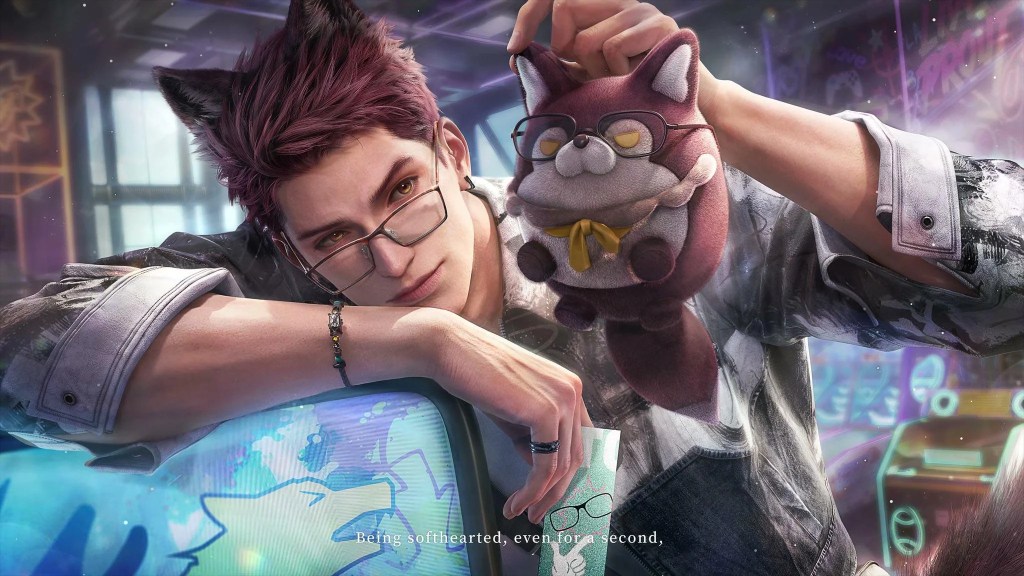
Of course, I can’t talk about the technical advancement of otome games without discussing the hugely popular 3D otome Love and Deepspace. I’ve not personally tried it; the characters creep a little too much into the uncanny valley for me, and also I don’t think my phone could keep up with such a huge file on it. I don’t want to break my phone again! But you can’t be an otome fan without knowing about this hugely popular game, which allows players to create their own MCs and have them fully interact with characters in the game rather than just seeing their hands in a CG. The game has had its issues with character creation, but it is a glimpse into what future otome games could look like. Fully customisable MCs and immersive 3D environments are closer than we think.
I can also see Live2D being implemented into CGs. Uchronia didn’t do this and chose to keep the traditional still CGs, but Enstars did implement Live2D into its card CGs a few years back. The movement is still pretty minimal, but it really adds a satisfying flowy-ness that I really like. I’d love to see more CGs come to life!

Something less exciting that I have seen implemented in a couple of otome titles now is the use of AI generated videos and images. Otome giant Rejet used AI in a PV, and Red Bells Lament infamously used AI to generate background images for the game, leading me to avoid it like the plague. Even independent creators are using AI to try their hand at creating otome titles, rather than looking into an artist to work with on their projects. Otome is nothing without human made artwork. The artwork is what brings an otome game together in my eyes; the story could be great, but if the artwork sucks, why should I play it rather than reading a book and imagining better artwork for myself? There’s a reason why most otome are visual novels. They rely heavily on the visuals! I’m really hoping that fans continue to speak out against the use of AI generated content in otome so that we can continue to have work made by talented artists and writers.
I still can’t believe how much has changed in just over 10 years from when I first tried out the otome genre. As it grows in popularity and earns its place among gamers all over the world, I can’t wait to see what interesting developments happen next. I just hope we can continue to see work from talented human creators!
 SweetieGames
Leave a comment